

ALERT
Many business owners are unaware that flood insurance policies do not take effect immediately after purchase.
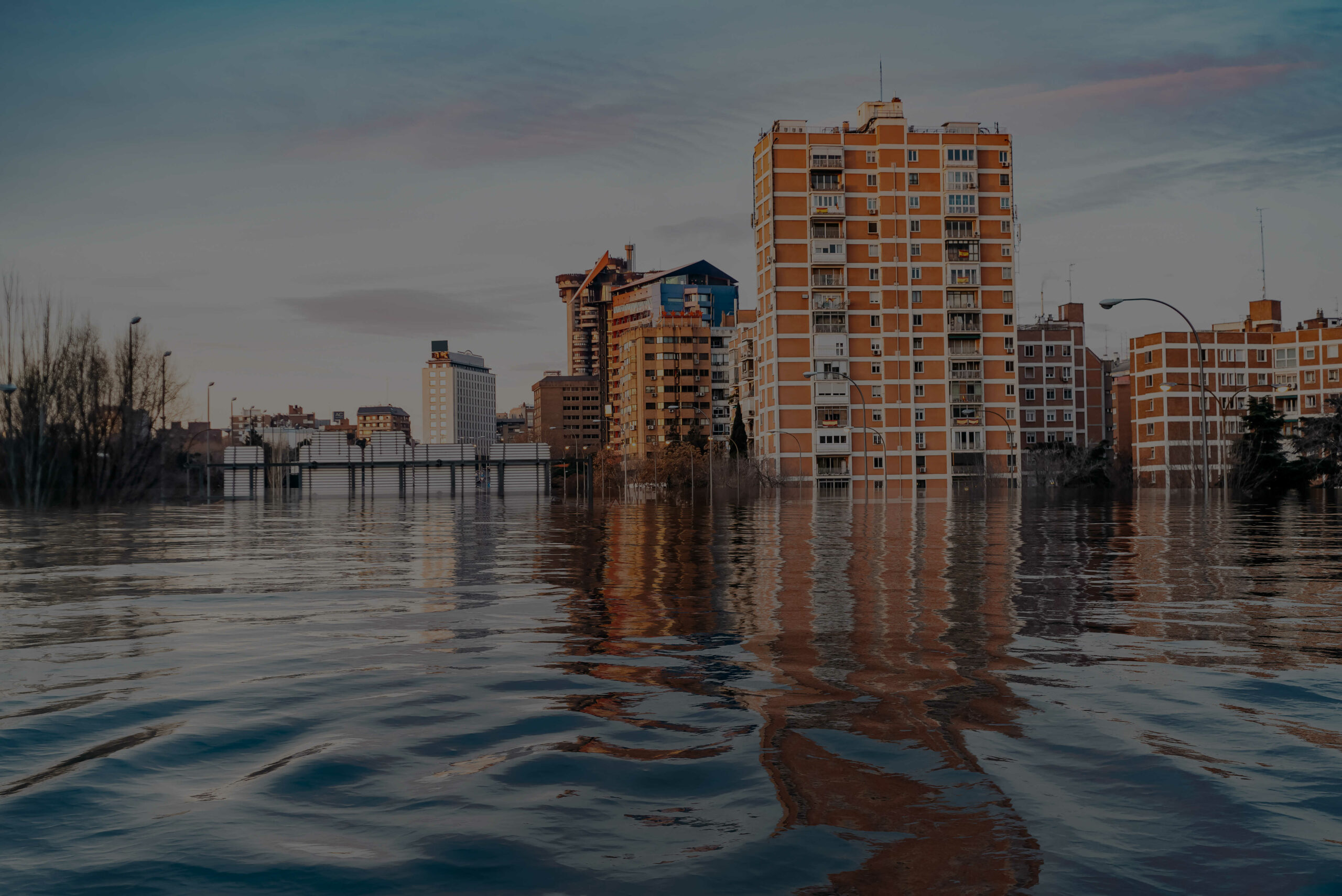
Spring brings warmer weather, but also a higher risk of flooding. Melting snow, heavy rain, and seasonal storms can put businesses at risk for costly flood damage and disruptions. Many business owners are unaware that flood insurance policies do not take effect immediately after purchase.
Flood damage can be devastating, but it does not have to be an unexpected expense. As explained below, getting coverage now can prevent out-of-pocket costs later.
Who Needs Flood Insurance?
Flood insurance is not just for businesses in designated high-risk areas. According to FEMA, more than 25% of flood claims come from properties in low or medium-risk zones. For example, if your business is near a body of water, in a low-lying area, on a street with poor drainage, or in a region that gets heavy spring rainfall, you are at risk.
The 30-Day Waiting Period
If you buy a National Flood Insurance Program (NFIP) policy, it won’t take effect until 30 days after purchase. Waiting until a major storm is approaching means you will be unable to get coverage in time to protect against flood losses.
While some private flood insurance options have shorter waiting periods (usually 10 to 15 days) and may offer immediate coverage if required for a loan, private policies may have different coverage limits and requirements.
Because flood insurance does not cover losses from a flood that occurs during the waiting period, businesses need to plan ahead.
Why Businesses Should Act Now
- Flooding is not just a coastal problem: Heavy rain, melting snow, and overflowing drains can cause flooding anywhere. Even businesses outside high-risk flood zones can suffer flood damage.
- Most standard property policies exclude flood: About 83% of U.S. businesses do not have flood insurance, because most commercial property policies exclude floods (Federal Insurance Office). Without a separate flood policy, businesses must pay for all flood-related losses and repairs out of pocket.
- Costly business interruptions: Flooding causes an average of $3.5 billion in business losses each year due to closures, interruptions, and delays (NOAA).
What Businesses Should Do Now
- Review your current policies: Confirm that your business has flood coverage and understand its terms. Most standard property policies do not include flood insurance.
- Explore your options: Compare NFIP and private flood insurance policies to find the best limits, terms, and waiting periods. (Note: NFIP does not cover business interruption or lost revenue due to flooding. Private flood insurance may offer that coverage.)
- Secure coverage early: Flood insurance does not take effect immediately, so purchasing a policy in March helps protect you before spring flooding begins. Waiting could leave your business exposed to costly damage.
Act now to secure the right flood coverage before spring storms arrive. Contact SterlingRisk today to discuss your flood insurance options and make sure your business is protected.
DISCLAIMER: This article is provided by SterlingRisk for informational purposes only and should not be taken as legal advice. For legal advice, consult with your legal counsel.


