

ALERT
Over 190 million Americans over 30 states are facing dangerous heat conditions.
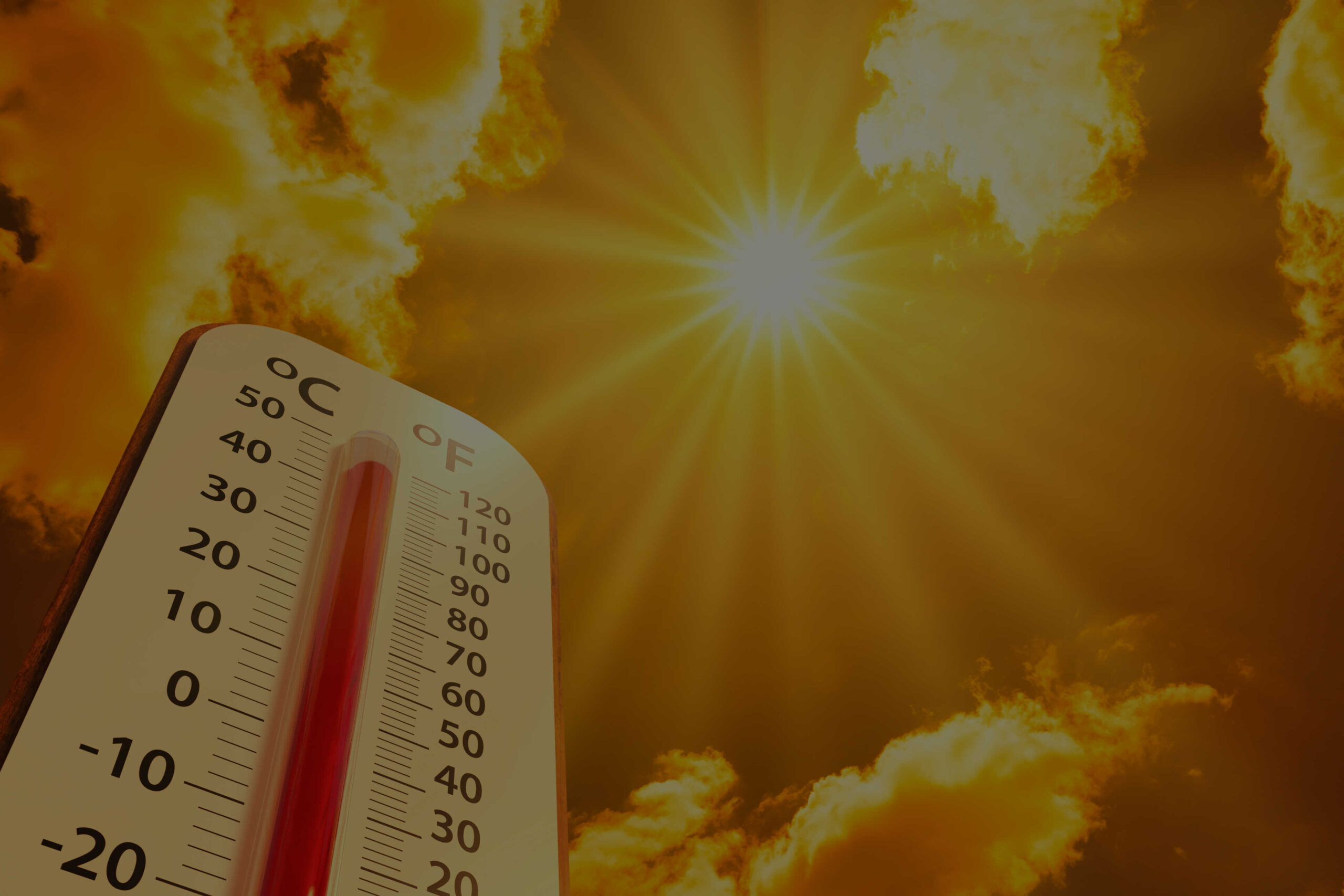
As a historic heat dome intensifies across the region, over 190 million Americans over 30 states are facing dangerous heat conditions. Current forecasts indicate over 250 daily high temperatures may be broken between Monday and Tuesday, with major cities including New York, Philadelphia, and Washington D.C. expected to reach or exceed 100*F.
With temperatures soaring across the country, we want to make sure you, your employees, and your operations stay safe and protected.
Heat-Related Safety Tips for Businesses:
- Hydrate & Rest: Ensure workers stay hydrated and take regular breaks in shaded or air-conditioned areas.
- Adjust Schedules: If possible, modify hours for outdoor work to cooler parts of the day.
- Monitor HVAC Systems: Inspect air conditioning units for functionality and ensure server rooms are adequately cooled.
- Check Fire Prevention Systems: Extreme heat increases fire risk. Make sure sprinklers, alarms, and extinguishers are fully operational.
- Power Backup: With increased energy use, rolling blackouts are possible. Confirm backup generators are ready if your business relies on uninterrupted power.
Insurance Considerations:
- If extreme heat causes property damage (e.g., equipment failure, fires, spoilage), review your property and equipment breakdown policies.
- Heat-related workers’ compensation claims may arise due to heat exhaustion or dehydration.
- Business interruption due to power loss or cooling system failure may be covered depending on your policy terms.
If you are unsure how your policy responds to these risks or would like us to review your coverage, we are here to help. Contact your SterlingRisk Account Executive or reach out to our team directly.
Additional Resources:
Download Our Heat Exposure Safety Document
Download the OSHA Heat Safety Poster
Questions or need help preparing? For additional risk management guidance, contact us today.
DISCLAIMER: This article is provided by SterlingRisk for informational purposes only and should not be taken as legal advice. For legal advice, consult with your legal counsel.


