

ALERT
Many homeowners are unaware that flood insurance usually does not become effective immediately upon purchase. Refer to the waiting period information below.
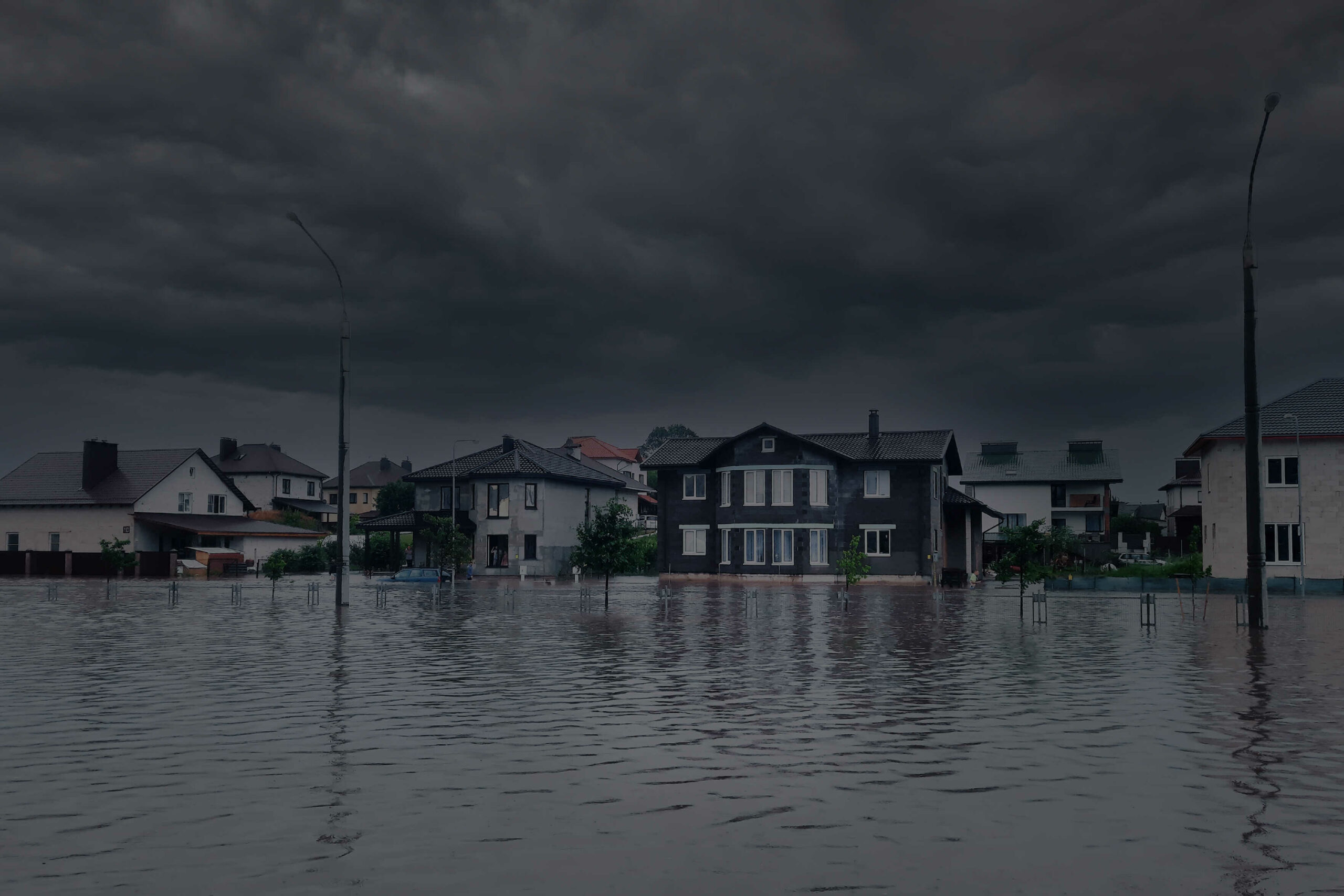
Spring brings warmer weather and a higher risk of flooding. Melting snow, heavy rain, and seasonal storms can lead to serious property damage and costly repairs. Just a few inches of water can damage floors, walls, furniture, appliances, and personal belongings.
Flood damage can be financially overwhelming, but it does not have to catch homeowners off guard. Securing coverage in advance can help protect your home and savings from major out-of-pocket costs later.
Who Needs Flood Insurance?
Flood insurance is not just for homeowners in FEMA high-risk zones. In the last 10 years, one-third of all National Flood Insurance Program (NFIP) claims came from outside mapped high-risk areas.
Any home may be vulnerable to flooding if it is near a body of water, located in a low-lying or poorly drained area, or in a region that experiences heavy spring rainfall.
For 2026, meteorologists have identified the following regional concerns beyond coastal areas:
- Northeast & Great Lakes: Cooler early-season temperatures may produce late-season snow and ice jams, which can trigger sudden flooding when temperatures rise.
- Midwest & Ohio Valley: AccuWeather warns of high river and flash flood risk this spring. A slow warm-up may cause heavy rains to fall on frozen ground or mix with rapid snowmelt, increasing runoff.
- Urban & Lower-Risk Areas: Nearly 29% of NFIP flood claims come from outside high-risk zones. In these areas, flooding typically occurs when drainage systems are unable to handle sudden, heavy rainfall.
The 30-Day Waiting Period
Timing is critical. If you purchase a policy through the NFIP, coverage typically does not take effect until 30 days after purchase, subject to limited exceptions.
Private flood insurance may have shorter waiting periods, such as 10 to 15 days. However, terms vary by carrier, and coverage may differ from NFIP policies.
No policy covers damage that occurs during the waiting period. Buying coverage now is the only way to help ensure protection for the 2026 spring storm season. Waiting until a major storm is in the forecast may leave your home uninsured for that event.
The Cost of Being Unprotected
Flood losses are often much higher than homeowners expect. From 2020 to 2024, the NFIP paid average claims of $63,691, while federal disaster grants for uninsured households averaged just $2,704 and required a disaster declaration.
- Most standard homeowners’ insurance policies do not cover flood damage.
- Federal disaster assistance is limited and is not a substitute for flood insurance.
- Even minor flooding can lead to major repair costs and loss of personal property.
Recommended Next Steps to Protect Your Home
Do not wait until a storm is approaching. Act now to protect your home before spring flooding hits. Contact SterlingRisk today for a flood insurance review and make sure your home is properly protected this storm season.
DISCLAIMER: This article is provided by SterlingRisk Insurance for general informational purposes only and should not be construed as legal or insurance advice. Always review your individual policy terms and consult your broker or legal counsel regarding your specific situation.


