

ALERT
Non-weather water claims result in over $16 BILLION in annual losses for commercial businesses.
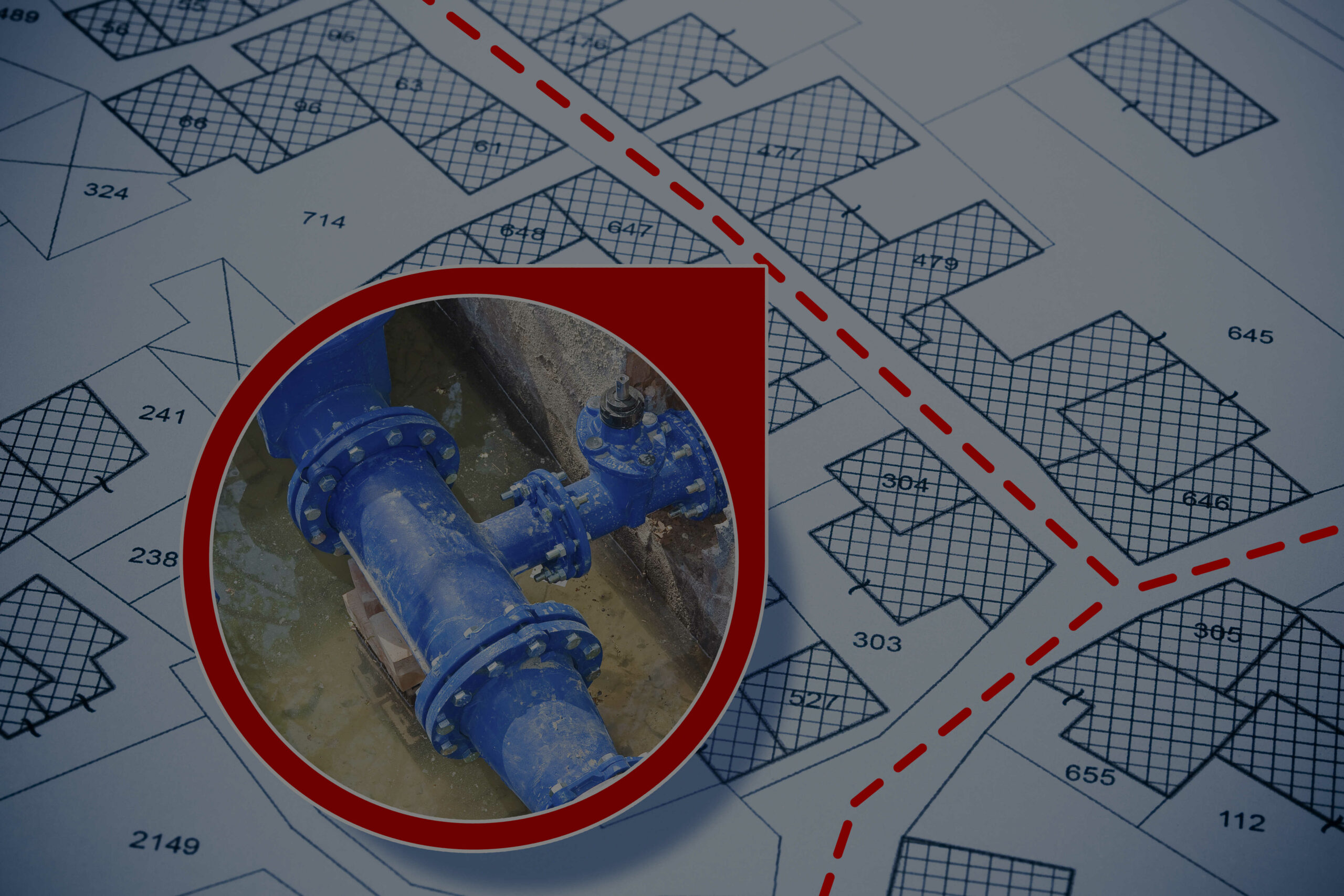
Water damage can lead to significant property damage, financial losses, and business interruptions. While floods and storms are common causes, we often overlook the water already present in our businesses and homes. Leaky pipes, water heaters, and HVAC systems have been major contributors to substantial water damage claims in the Real Estate and Construction industries. Non-weather water claims result in over $16 billion in annual losses for commercial businesses. (Source: “Using Big Data to Predict Non-Weather Water Claims Risk”). However, thanks to advancement in technology, leak detection equipment can help mitigate these losses.
Examples of Lead Detection Equipment
- Flood Sensors (Pucks)
- Rope or Cable Sensors
- Printed Sensors
- In-Line Sensors (Flow Meters)
Benefits of Using Lead Detection Equipment
- Damage Prevention
- Resource Conservation
- Operational Efficiency
- Cost Savings
- Remote Monitoring
When integrating leak detection equipment into your organization’s operations, it is crucial to select the appropriate device for your needs. For example, an in-line sensor requires a licensed plumber to install it by cutting into the water line. This sensor learns normal water usage patterns and can identify leaks based on deviations. However, this may not always be feasible. Alternatively, flood sensors detect water accumulation in specific areas and only require power and a Wi-Fi connection, making them easy to install by anyone.
Additional RMS Solutions:
SterlingRisk has a library of solutions that can be tailored to your organization’s needs including leak detection, water mitigation, water damage response, and more. For assistance, contact your SterlingRisk RMS representative today.
SterlingRisk is committed to helping you and your loved ones stay safe. For additional risk management guidance, contact us today.
DISCLAIMER: This article is provided by SterlingRisk for informational purposes only and should not be taken as legal advice. For legal advice, consult with your legal counsel.


